
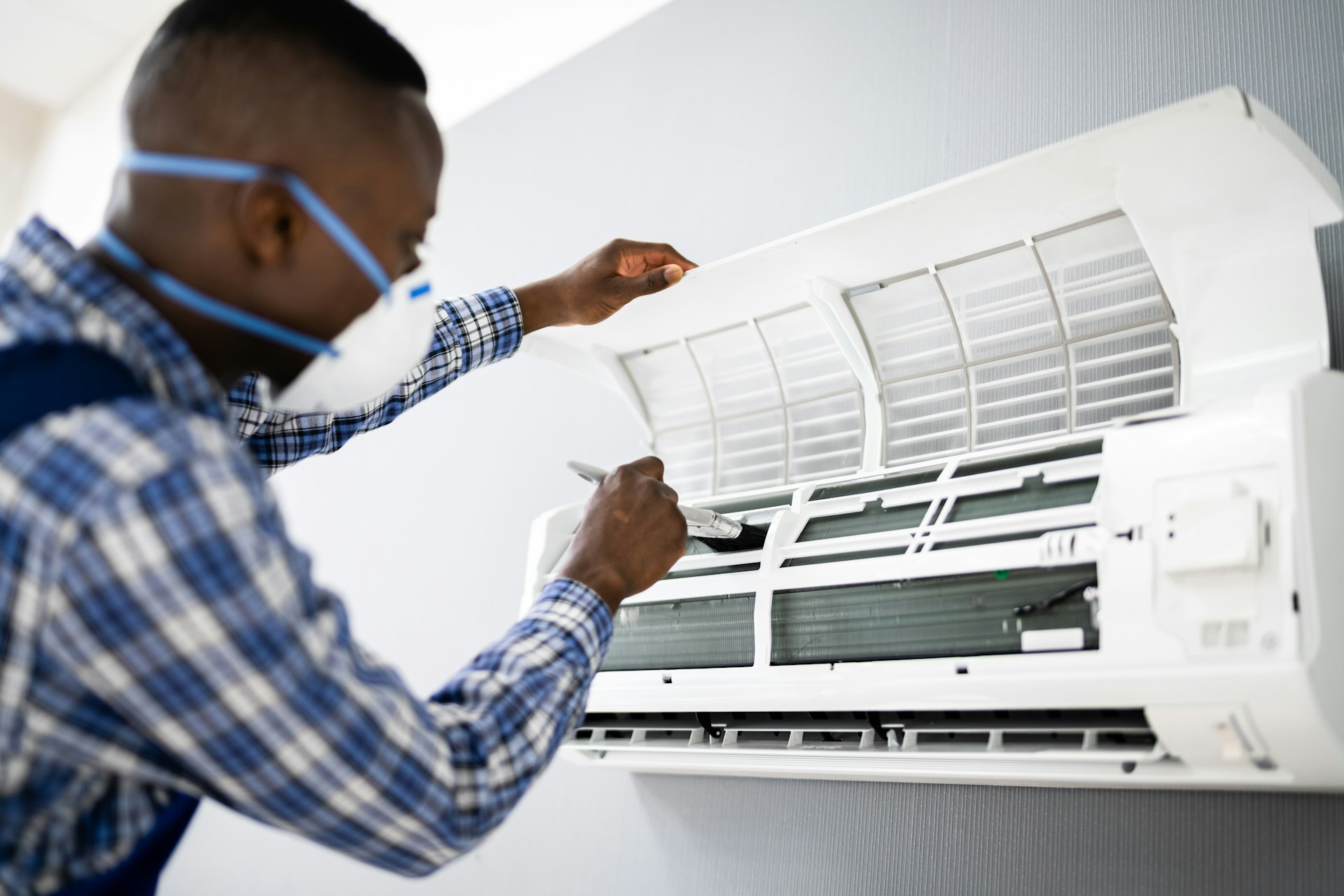
Your air conditioner works hard to keep your home comfortable, but it doesn’t always tell you when something’s wrong. Signs like weak airflow, warm air from vents, strange noises, or musty smells are often early indicators that your AC needs repair. Catching these issues early can save money and prevent bigger failures.
At SWFL Cooling Solutions, we’ve helped many homeowners recognize when their cooling system isn’t operating as it should. From airflow problems to electrical faults, our experience across Southwest Florida shows that understanding the warning signs leads to faster, more reliable repairs.
Before damage spreads, we can address issues promptly. In this guide, you’ll learn the most common signs your AC needs repair, what those symptoms typically mean, and when it’s time to call in a trained technician to keep your home cool and efficient.
Most Common Signs Your AC Needs Repair
You can spot many common AC problems by paying attention to airflow, temperature, sounds, and smells. Catching these signs early helps you avoid bigger damage and higher repair costs.
Weak or Inconsistent Airflow
Weak or inconsistent airflow usually means air can’t move through the system as it should. Start by checking the air filter: a clogged air filter or dirty return vents often cause restricted airflow.
If replacing the filter doesn’t help, the blower motor or blower fan could be failing, or ductwork may be blocked or leaking. You may also see short cycling when airflow is poor — the system turns on and off too fast because it can’t reach the set temperature.
Reduced airflow raises energy use and stresses components, which makes other parts wear out sooner. A professional will inspect filters, blower operation, ducts, and the evaporator coil to find the root cause.
Warm Air Blowing from Vents
Warm air from your vents is a clear sign that something in the cooling cycle isn’t working. First, check thermostat settings and the outdoor unit for debris. If settings are correct and the outdoor unit is clear, low refrigerant from a refrigerant leak or a failing compressor could be the problem.
Dirty evaporator coils or clogged filters can also force warm air because the system can’t move heat properly.
A frozen evaporator coil can melt and then cause warm airflow, too. Only a certified technician should handle refrigerant work. They will test pressures, inspect coils, and verify compressor function to decide whether repair or replacement is needed.
Unusual Noises
Unusual noises tell you where the problem likely sits. Squealing often points to a worn belt or motor bearing. Grinding usually means the motor bearings or the compressor are damaged. Banging or clanking suggests loose or broken parts inside the unit or the fan hitting an object.
Hissing or bubbling can indicate a refrigerant leak. If you hear frequent clicking or rapid on-off sounds, that may be a sign of short cycling or thermostat issues.
Don’t ignore new sounds. Turn off the unit if you smell burning and call a technician, since electrical problems or a failing compressor can present with noise and pose safety risks.
Unpleasant Odors When AC Runs
Unpleasant odors are more than annoying; they often point to health or safety issues. Musty, moldy smells usually come from moisture buildup and mold growth on the evaporator coil or inside ductwork.
This often links to dirty evaporator coils, clogged drain lines, or high humidity that the system isn’t removing. Chemical or sweet smells can indicate a refrigerant leak, which needs immediate professional service.
Burning or electrical odors may mean wiring problems or overheating components and should be addressed right away. If you notice persistent odors, turn off the system and schedule an inspection to locate mold, leaks, or electrical hazards.
Airflow and Temperature Issues
Poor airflow or uneven cooling can make your home uncomfortable and raise energy bills. These problems often come from simple fixes like a dirty filter or from hidden issues like leaky ductwork or a frozen coil.
How Indoor Air Quality and System Performance Are Connected
Research from Harvard University’s Healthy Buildings Program highlights that indoor air quality and ventilation influence how well HVAC systems perform.
Poor ventilation and airflow can lead to increased moisture and pollutant buildup, which often coincides with AC issues like musty odors, reduced cooling efficiency, and uneven temperatures.
Improving ventilation and air distribution helps your air conditioner remove humidity more effectively, reducing strain on its components. This broader understanding of indoor environments supports a more accurate diagnosis of AC problems.
Clogged Air Filters and Blocked Vents
Clogged air filters reduce the amount of air your system can push through. When the filter is dirty, your blower works harder. That raises energy use and can shorten the blower motor’s life.
Check filters every 1–3 months. Replace standard fiberglass or pleated filters when they look gray or dusty. If you have pets or live in a dusty area, change them more often.
Blocked vents also cut airflow. Move furniture and rugs away from supply and return vents. Vacuum vent grilles and use a brush to remove pet hair and dust. If one room feels weak while others are fine, inspect the vent and the nearby duct for obstructions.
Damaged or Leaky Ductwork
Leaky or damaged ductwork lets cooled air escape before it reaches the rooms that need it. Look in attics, crawl spaces, and basements for loose connections, holes, or crushed ducts. Sealing leaks can restore airflow and lower your cooling costs.
You can spot some problems visually: disconnected seams, taped repairs that have failed, or insulation that’s torn away. Small gaps can be sealed with foil HVAC tape or mastic sealant. For large damage or extensive ductwork issues, hire a professional to inspect and repair the ducts.
Poorly designed ducts also create inconsistent airflow. If some rooms are consistently warm, the ducts to those rooms might be too small, crushed, or routed poorly. An HVAC technician can test airflow and suggest targeted fixes.
Frozen Evaporator Coils
A frozen evaporator coil stops your AC from cooling the air effectively. Ice can form when airflow is restricted or when the refrigerant is low. If the coil is frozen, you’ll likely feel weak or warm air from the vents.
Turn off the system and let the coil thaw before running the unit. Check and replace clogged filters first, since restricted airflow is a common cause. If ice returns after thawing, you may have a refrigerant leak or a failing blower motor. Both need a trained HVAC technician to fix.
Regular filter changes and keeping vents clear reduce the risk of freezing. Also, inspect the condensate drain for clogs; standing water can indicate drainage problems that coincide with coil issues.
Hot and Cold Spots
Hot and cold spots mean your home is not receiving even airflow. Causes include duct leaks, blocked vents, uneven insulation, or rooms with large sun-facing windows. Identifying the cause helps you target the repair.
Start by checking vents and filters in lukewarm rooms. If vents are open and filters are clean, inspect the duct run to that room for leaks or disconnections. Use a thermometer to compare room temperatures; a difference of more than 3–4°F suggests a serious airflow or balancing issue.
If uneven temperatures persist, consider adding dampers to balance airflow, improving insulation, or installing zoning controls. These fixes help ensure each room gets the right amount of cooled air and improve overall indoor air quality.
Moisture, Leaks, and Humidity Problems
Moisture issues in your AC often show as visible water, musty smells, or sticky, humid rooms. These problems usually stem from blocked drainage, frozen coils, or failing parts that stop your system from removing condensation.
Water Leaks or Puddles Around Unit
If you see puddles near the indoor unit or water on the floor below the air handler, act quickly. Water under the unit often means the condensate pan is overflowing or cracked. This can happen when the condensate drain line is clogged, allowing water to back up instead of flowing outside.
Check the pan visually for cracks and the drain opening for debris. If you smell mold or see stains on ceilings or walls, shut off the AC and call a technician. Continued leaks can rot wood, damage drywall, and grow mold within days.
Clogged or Damaged Condensate Drain Line
A clogged condensate drain line is a common cause of leaks and high humidity indoors. Dust, algae, and debris can build up in the drain and block the flow of water from the evaporator coil. The blockage causes water to back up into the condensate pan and overflow.
You can try clearing the line using a wet/dry vacuum at the drain access or by flushing with a cup of bleach mixed with water to kill algae.
These are short-term fixes. If the line is damaged, sagging, or repeatedly clogs, have a pro replace or re-route it. Proper slope and a clean trap keep condensate moving and prevent recurring AC leaking problems.
High Indoor Humidity
If your home feels sticky even when the AC runs, the system is likely failing to remove moisture. High indoor humidity can come from low refrigerant, a frozen evaporator coil, dirty coils, or poor airflow from clogged components. These issues reduce the system’s ability to condense and drain moisture.
Check and replace filters, and ensure vents are open and unobstructed. If humidity stays high, a technician should inspect refrigerant levels and the evaporator coil for ice or heavy dirt. Fixing the root cause restores dehumidification and stops mold growth and musty odors.
Thermostat and Electrical Troubles
Thermostat faults and electrical control issues cause many AC failures. Fixing batteries, wiring, or settings often restores normal cooling and prevents bigger repairs.
Thermostat Not Responding or Incorrect Settings
If your thermostat screen is blank or the buttons do nothing, check the batteries first. Replace AA or AAA cells with fresh ones and confirm the display returns.
For programmable or smart thermostats, verify the schedule and mode (cool vs. heat). A wrong program can keep the compressor off during warm hours. Also, confirm the setpoint is at least 2°F below room temperature to trigger cooling.
If the thermostat shows the wrong temperature, compare it with a small thermometer placed near the unit for 10–15 minutes. A consistent 2°F or larger difference means recalibration or replacement may be needed.
Loose or corroded terminals can stop signals to your HVAC. Turn off the power at the breaker before removing the cover and check the wire connections. If you see frayed wires or burnt contacts, call a technician.
Frequent Short Cycling
Short cycling means the AC turns on and off in short bursts. You’ll notice frequent, brief runs and little cooling gain. A malfunctioning thermostat can cause short cycling by misreading temperature or reacting to minor fluctuations.
Check the anticipator setting on older mechanical thermostats or the cycle settings on digital models. Other thermostat-related causes include poor placement (near sunlight, vents, or appliances). Move the thermostat or shade it if it reads heat from another source.
Also, confirm the fan and compressor run for normal cycle lengths after making thermostat adjustments. Short cycling strains the compressor and raises energy bills. If simple fixes don’t stop the cycling, replace the thermostat or have a pro test the control board and refrigerant charge.
Electrical or Control Problems
Electrical faults can mimic thermostat failure. Look for tripped breakers, blown fuses, or a blank thermostat screen that returns after you reset the breaker.
Check the common (C) wire on smart thermostats. Missing or loose C-wire often causes intermittent power losses, resets, or connectivity failures. Adding a C-wire adapter or running a proper C-wire may stop random reboots.
If you smell burning near the thermostat or see scorch marks at terminals, shut off power and call a professional immediately. Those signs point to shortened wiring or a failing control relay.
Control board issues inside the air handler or outdoor unit can also stop commands from the thermostat. A technician can test voltage at the thermostat terminals, trace faults, and replace relays or boards when needed.
Unexplained Energy Consumption and System Aging
Your AC can quietly lose efficiency over time and drive up bills, while old components are more likely to fail. Watch meter readings, seasonal bills, and service history to spot real problems early.
Skyrocketing Energy Bills
If your monthly electric bill rises sharply without added use, your AC likely uses more power than before. Compare bills week by week and month to month. A jump of 10–30% during similar weather often points to an AC issue rather than rate changes.
Check these quick causes: clogged filters, dirty coils, failing capacitors, or a failing compressor. Each makes the system run longer to reach the same temperature. Track runtime on your thermostat or smart plug; longer run times mean higher energy draw.
Schedule an AC service when you see unexplained spikes. A technician can measure amperage, check refrigerant level, and clean coils to restore efficiency. Routine AC maintenance also prevents surprises and keeps bills steady.
Loss of Energy Efficiency
Gradual efficiency loss appears as longer run cycles and uneven cooling across rooms. You may feel warm spots, or the AC may run constantly yet never reach your set temperature. These signs show the system fails to move heat effectively.
Low refrigerant, dirty evaporator or condenser coils, and restricted airflow from dirty filters or blocked vents cause efficiency loss. Duct leaks and poor insulation also waste cooled air before it reaches living spaces. Each issue reduces energy efficiency and home comfort.
Professional tune-ups such as filter changes, coil cleaning, airflow testing, and refrigerant checks restore efficiency and improve comfort without immediate replacement.
Older AC System Breakdown
Older units, typically 10–15 years old, lose capacity and need more frequent repairs. Parts wear out: compressors weaken, motors strain, and seals leak. Repair costs climb as more components fail.
More service calls, higher energy use, and trouble keeping your home comfortable signal an aging system. If a technician estimates repair costs near half the price of a new unit, replacement may be more cost-effective. New systems deliver better energy efficiency and lower lifetime service needs.
If your AC is aging, schedule a full inspection and get a cost comparison for repair versus replacement. Planning ahead helps you avoid sudden breakdowns during peak heat and keeps your home comfort predictable.
When to Seek Professional AC Repair
If your unit shows repeated faults, odd smells, frozen coils, or big jumps in energy bills, get help. Choosing a qualified HVAC technician matters for safety, warranty coverage, and proper diagnosis.
Recurring or Frequent Repairs
Calling for the same fix more than twice in a year shows a deeper problem. Frequent compressor, capacitor, or refrigerant repairs increase the risk that another component will fail soon. Repeated breakdowns also mean a higher total cost than replacing an aging unit.
Track repair types and dates, noting costs and how long the system runs between failures. If repairs exceed 50% of a new system’s price or the unit is older than 10–15 years, consider replacement.
Keep records for technicians. Good documentation helps an HVAC technician diagnose root causes faster and can affect warranty or resale value.
Choosing Reliable AC Repair Services
Pick a service with licensing, insurance, and local references. Ask for written estimates that list parts, labor, and warranty terms. Compare at least three bids for major work. Check technician certifications like NATE or manufacturer training. Confirm the company handles refrigerant to EPA standards.
Look for clear payment terms and a guarantee on repairs. On the first visit, expect a basic inspection: airflow, refrigerant pressure, electrical checks, and thermostat calibration. A reliable AC repair service explains findings, shows failing parts, and offers repair versus replace options.
Importance of Professional HVAC Technicians
A professional HVAC technician uses tools and training for safe, correct repairs. They handle refrigerant, wiring, and complex diagnostics that you should not do yourself. This reduces fire risk, refrigerant leaks, and voided warranties.
Pros test system pressures, electrical loads, and airflow quantitatively. They can also spot hidden issues like duct leaks or improper unit sizing. Hiring a pro saves time and prevents repeat calls caused by incomplete fixes.
Insist on a written warranty for parts and labor. That protects you if the same issue returns and shows the company stands behind their air conditioning repair work.
Recognizing and Acting on AC Repair Signs
Your air conditioner gives you many chances to fix small problems before they become major breakdowns. Warning signs such as warm airflow, weak performance, odd sounds, or sudden energy bill increases shouldn’t be ignored.
At SWFL Cooling Solutions, we recognize the importance of reliable cooling in Florida’s heat. We can help you interpret symptoms early, ensuring repairs are made before comfort, efficiency, or air quality are impacted.
If your system shows multiple warning indicators or persistent performance issues, reach out to our experts for a professional assessment and repair plan tailored to your home.
Frequently Asked Questions
You can spot many AC problems by checking airflow, noises, smells, and cooling performance. Look for specific signs like warm air from vents, ice on coils, rising energy bills, or unusual sounds to decide when to call a pro.
How can you tell if your air conditioner is not working properly?
If your vents blow warm or weak air, your system is not cooling as it should. Check filters, outdoor unit clearance, and thermostat settings first. Listen for grinding, squealing, or banging noises during operation. These often point to motor, fan, or loose internal parts that need service.
Watch your energy bills for sudden spikes without a change in use. Higher bills mean the AC is working harder because of reduced efficiency.
What are common indicators of a malfunctioning car air conditioning system?
If the car blows warm air at full cooling, the refrigerant level or compressor may be failing. Hissing sounds can mean a refrigerant leak. A sweet or chemical smell when the AC runs can signal refrigerant issues or contamination. Weak airflow from vents can mean a clogged cabin filter or blower problem.
Visible fluid under the car after AC use can be a leak from the system or a blocked drain. Unusual noises from the compressor or compressor clutch need immediate attention.
How often should residential air conditioning units be replaced?
Replace a central AC unit when it’s older than 10–15 years and needs frequent major repairs. If repair costs approach half the price of a new unit, replacement usually makes more sense.
Consider replacement sooner if the system can’t reach your set temperature, runs constantly, or has discontinued parts. Newer models also save on energy costs, which can offset installation costs over time.
What factors determine the cost of replacing an air conditioning system?
System size, measured in tons or BTUs, affects the price—larger homes need bigger, costlier units. Efficiency rating (SEER) also changes cost; higher SEER units cost more up front but use less energy.
Installation complexity affects labor costs. Ductwork upgrades, electrical work, permits, and refrigerant type can raise the total price. Brand, warranty length, and local labor rates also influence the final cost. Get multiple quotes and written estimates before committing.
What are the symptoms of a failing AC condenser in a vehicle?
If the condenser is failing, you may get little or no cool air from the vents, especially at low speeds or idle. The outdoor fan running slowly or not at all reduces heat transfer and cools poorly.
You might see oil or refrigerant stains near the condenser from a leak. Loud rattling or the smell of burning plastic near the front of the car can mean debris damage or electrical failure tied to the condenser assembly.
Are there specific signs that a window air conditioning unit needs to be replaced?
If a window unit freezes frequently despite clean filters, it may be failing internally. Excessive vibration, loud rattling, or clicking noises that continue after securing the unit show mechanical wear.
When the unit leaks water inside the room or the drain tray rusts through, replacement becomes necessary. Also consider replacement if the unit no longer cools the room to the set temperature or starts using much more electricity than before.
Leave a Reply